Water Resistant Outdoor Tents Upkeep Checklist: Maintain Your Shelter Trail-Ready
Waterproof Camping Tent Maintenance List: Keep Your Sanctuary Trail-Ready
A water resistant camping tent is one of one of the most vital financial investments any camper or hiker can make. Yet even the best tents shed their capability to push back water gradually if they aren't correctly taken care of. Whether you're a weekend warrior or a skilled backcountry traveler, following a regular upkeep regimen will prolong your outdoor tents's life and keep you completely dry no matter what the climate throws at you.
Why Waterproofing Wears
Understanding why camping tents shed their waterproofing assists you stay ahead of the issue. Most camping tents rely on 2 systems interacting: a long lasting water repellent (DWR) coating on the outer fabric and a polyurethane (PU) seam tape on the within. The DWR coating triggers water to bead up and roll off the surface, while the joint tape prevents wetness from creeping through sewn joints.
With routine usage, UV direct exposure, dirt, sweat, and duplicated packing compress the DWR finish and create it to break down. The seam tape can also peel or break with age. Acknowledging this very early is the first step in maintaining your camping tent watertight.
The Complete Waterproof Camping Tent Upkeep Checklist
1. Examine Prior to and After Every Journey
Prior to heading out, spread your camping tent level and seek any apparent damage-- little rips, pinholes, or used patches on the fly. Run your fingers along every seam to check for tape that's lifting or collapsing. After your trip, do the same examination while the tent is clean and well-lit. Capturing a little opening prior to your following rainstorm is much less complicated than dealing with a wet resting bag in the field.
2. Clean Your Tent the proper way
Dust and body oils are silent awesomes of DWR layers. After each trip, carefully hand-wash your camping tent using a light, non-detergent soap or a product particularly made for technical materials. Avoid routine laundry cleaning agents-- they strip the DWR therapy and leave deposit that attracts wetness.
Make use of a soft sponge or fabric, rinse completely with awesome water, and never ever wring or twist the material. For a much deeper tidy, you can maker clean on a mild cycle in a front-loading washing machine, yet miss the top-loader with the agitator as it can damage the product.
3. Dry Totally Prior To Storage Space
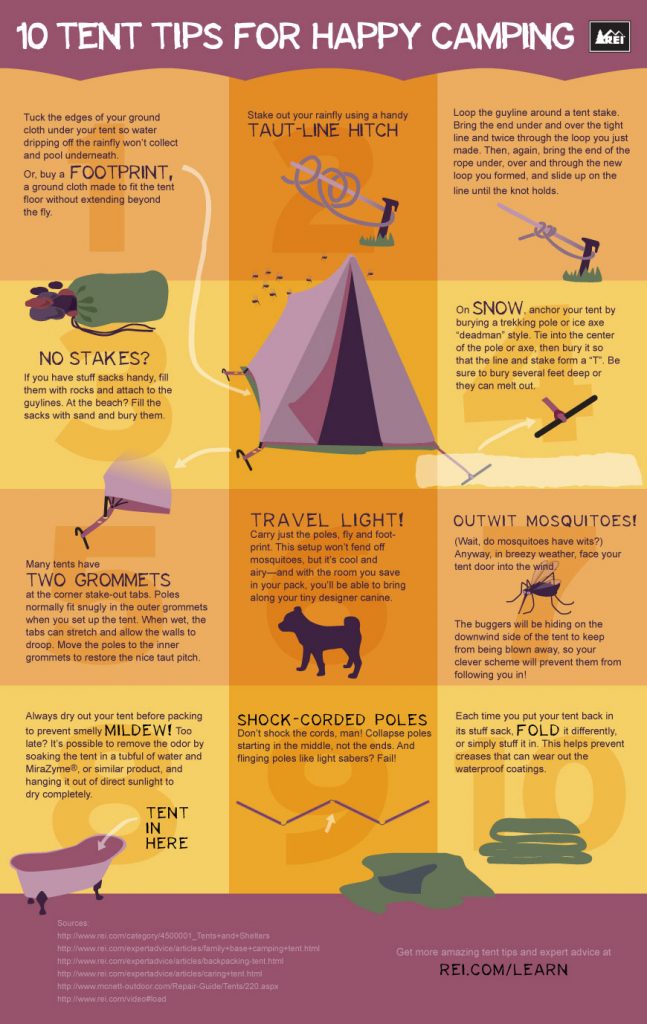
This is non-negotiable. Storing a moist outdoor tents-- even a little damp-- is the fastest way to breed mold and mildew and mildew, which permanently harm the fabric and joint tape. After washing or after a stormy trip, pitch your outdoor tents or curtain it over a clothesline in a shaded, well-ventilated location. Never ever completely dry it in straight sunlight for prolonged periods, as UV rays degrade the fabric over time.
4. Reapply DWR Treatment Annually
Even with mindful upkeep, the DWR layer requires revitalizing every period or whenever water quits beading on the fly. You can examine this by gently misting the rainfly-- if water soaks in rather than beading up and rolling off, it's time to reapply.
Utilize a spray-on or wash-in DWR product made for outdoor gear. Spray-on treatments are much easier to apply precisely to worn locations, while wash-in items coat the entire fabric. After using, make use of a tumble dryer on reduced warm or a hairdryer to activate the coating-- heat bonding is vital for finest outcomes.
5. Reseal the Seams
Joint tape can peel off away after years of use, especially in older outdoors tents. If you see raising tape or if water is can be found in via the joints as opposed to the textile, it's time to reseal. Carefully peel away any old tape that's no longer adhering, then apply a liquid joint sealant with a tiny brush. Permit it to treat completely-- normally 1 day-- before folding or using the camping tent.
6. Store Properly
How you save your outdoor tents matters as high as just how you clean it. Constantly store it freely-- not compressed securely in its stuff sack-- in a great, dry location far from direct sunshine. Many makers recommend a huge mesh or cotton storage bag to enable air movement and avoid the finishes from breaking down under constant stress.
A Little Care Goes a Long Way
Your camping tent is your home far from home. Treating it with constant care does not take much time, however it makes a massive difference in performance and durability. Run through this list at the beginning and end of each camping period, and your camping tent will reliably maintain you warm and dry for several years ahead. Don't wait until you're soaked inside your sanctuary to understand maintenance matters-- a little prevention currently conserves a great deal of misery later.
A water resistant camping tent is just one of one of the most important investments any type of camper or hiker can make. However how to build a tent platform also the most effective outdoors tents lose their ability to ward off water gradually if they aren't correctly looked after. Whether you're a weekend break warrior or a seasoned backcountry explorer, following a routine maintenance routine will prolong your camping tent's life and maintain you completely dry whatever the climate tosses at you.
Why Waterproofing Breaks
Recognizing why outdoors tents shed their waterproofing aids you stay ahead of the problem. Most tents rely on two systems working together: a resilient water repellent (DWR) finishing on the outer material and a polyurethane (PU) joint tape on the inside. The DWR finish creates water to bead up and roll off the surface, while the seam tape prevents moisture from sneaking through stitched seams.
With normal usage, UV direct exposure, dust, sweat, and duplicated packing compress the DWR covering and trigger it to break down. The seam tape can also peel or fracture with age. Identifying this very early is the primary step in maintaining your camping tent watertight.
The Complete Water Resistant Tent Upkeep List
1. Check Prior to and After Every Journey
Before going out, spread your camping tent flat and search for any kind of noticeable damages-- tiny splits, pinholes, or used patches on the fly. Run your fingers along every seam to check for tape that's training or falling apart. After your trip, do the same evaluation while the camping tent is clean and well-lit. Capturing a tiny opening prior to your next rainstorm is much simpler than taking care of a wet sleeping bag in the field.
2. Tidy Your Outdoor Tents the proper way
Dust and body oils are silent awesomes of DWR finishings. After each trip, delicately hand-wash your outdoor tents using a moderate, non-detergent soap or a product specifically created for technological fabrics. Prevent regular laundry detergents-- they remove the DWR treatment and leave residue that attracts dampness.
Utilize a soft sponge or towel, rinse completely with great water, and never ever wring or turn the textile. For a deeper tidy, you can machine laundry on a mild cycle in a front-loading washing machine, but miss the top-loader with the agitator as it can damage the product.
3. Dry Totally Prior To Storage Space
This is non-negotiable. Storing a wet tent-- also somewhat damp-- is the fastest way to reproduce mold and mold, which permanently harm the material and joint tape. After washing or after a rainy journey, pitch your tent or curtain it over a clothesline in a shaded, well-ventilated area. Never ever dry it in straight sunlight for extensive periods, as UV rays weaken the material over time.
4. Reapply DWR Therapy Annually
Despite having careful upkeep, the DWR covering requires refreshing every period or whenever water stops beading on the fly. You can check this by lightly misting the rainfly-- if water take in rather than beading up and rolling off, it's time to reapply.
Utilize a spray-on or wash-in DWR product produced exterior gear. Spray-on therapies are simpler to use precisely to used areas, while wash-in products layer the entire textile. After applying, utilize a tumble clothes dryer on low warmth or a hairdryer to activate the finish-- heat bonding is vital for ideal results.
5. Reseal the Seams
Joint tape can peel off away after years of use, especially in older outdoors tents. If you notice raising tape or if water is can be found in through the joints rather than the material, it's time to reseal. Meticulously peel away any type of old tape that's no more adhering, then use a liquid seam sealant with a tiny brush. Allow it to treat totally-- usually 1 day-- prior to folding or using the camping tent.
6. Shop Properly
Exactly how you keep your outdoor tents matters as much as exactly how you cleanse it. Constantly store it loosely-- not pressed snugly in its stuff sack-- in an amazing, completely dry area away from direct sunshine. Several manufacturers suggest a big mesh or cotton storage space bag to allow airflow and stop the layers from breaking down under constant pressure.
A Little Care Goes a Long Way
Your camping tent is your home far from home. Treating it with consistent care doesn't take much time, yet it makes a massive distinction in performance and longevity. Run through this list at the beginning and end of each outdoor camping season, and your tent will dependably keep you cozy and completely dry for several years ahead. Don't wait until you're soaked inside your shelter to recognize upkeep issues-- a little avoidance currently conserves a great deal of misery later.